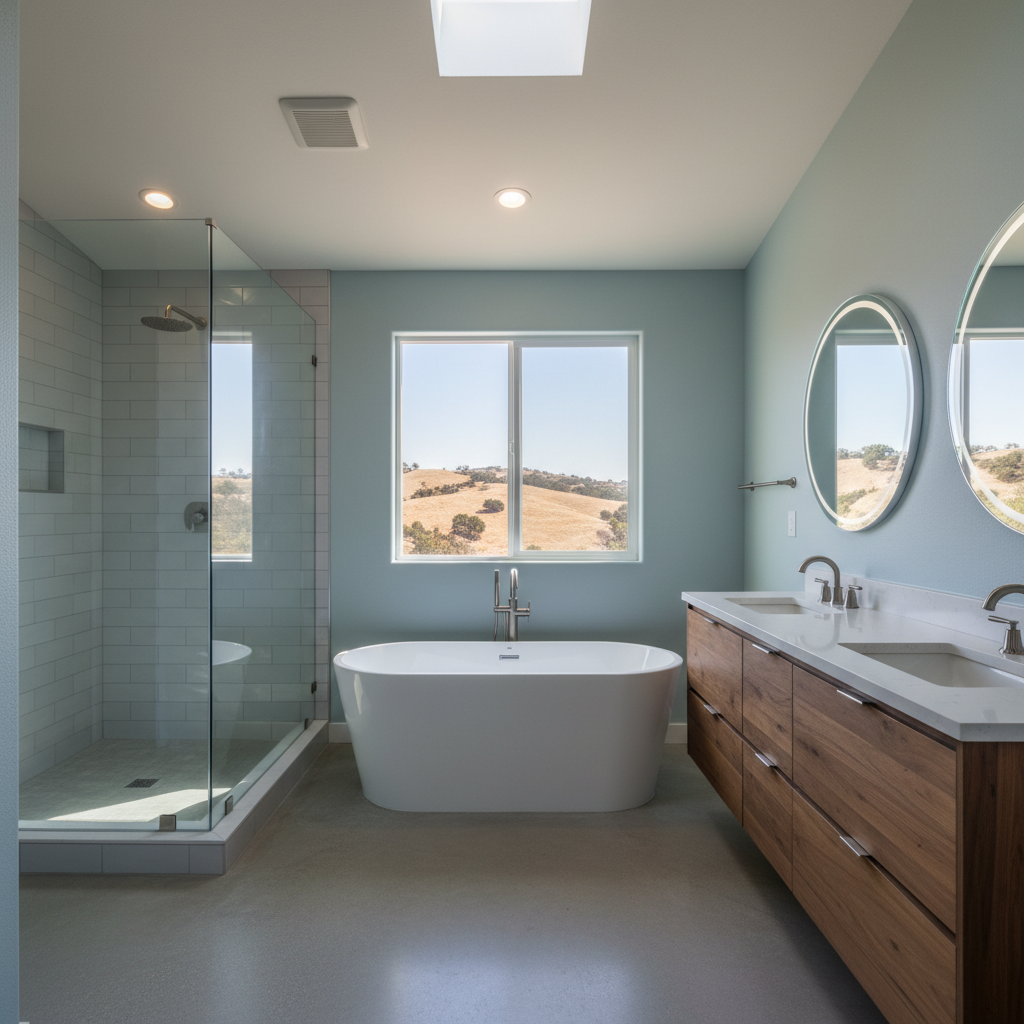
So, you've invested in a modern bathroom, maybe with some slick new fixtures, a walk-in shower, or custom cabinetry. That's fantastic! It adds a ton of value and enjoyment to your home. But here's the thing: that 'new' feeling doesn't last forever without a little effort. Think of it like a new car; you wouldn't just drive it without ever changing the oil, right? Same goes for your bathroom. You want to protect that investment, and honestly, it's not that hard.
Extend the Life of Your Bathroom Modernization
The biggest thing you can do to make your new bathroom last is pretty simple: keep it clean. I know, groundbreaking advice, right? But seriously, regular cleaning prevents buildup that can cause real damage over time. For your new tile and grout, especially in a shower, consider using a good quality sealer every year or two. We often recommend this after installation, but it's not a one-and-done deal. Our hard water here in Thousand Oaks, full of minerals, can really do a number on grout lines and glass if you let it sit.
Ventilation is another huge one, especially with our sometimes-humid mornings or after a long, hot shower. Always run your exhaust fan during and for at least 15-20 minutes after showering. This pulls out moisture, which is the enemy of paint, wood, and even grout. Mold and mildew thrive in damp environments, and you don't want that mess. If you've got a window, open it up. Air circulation is your friend.
For any new cabinetry, especially those fancy custom pieces, be mindful of splashes. Wipe up water immediately. Wood and constant moisture don't mix, even if they're sealed well. And if you've got soft-close drawers and doors, don't force them. They're designed to work smoothly; forcing them can mess up the mechanisms.
What Regular Maintenance Looks Like
- Daily Wipes: After a shower, use a squeegee on glass doors. It takes literally 10 seconds and prevents hard water spots. A quick wipe down of the vanity top and faucet keeps things sparkling.
- Weekly Cleaning: This is your basic scrub down. Use non-abrasive cleaners, especially on new finishes. Harsh chemicals can etch stone, dull chrome, or strip sealants. Always check the manufacturer's recommendations for your specific materials. For example, if you've got natural stone like marble or travertine, you'll need pH-neutral cleaners.
- Monthly Checks: Look under sinks for any drips or leaks. Check the caulk around your tub or shower. If you see any cracks or gaps, it's time to re-caulk. This is crucial for preventing water damage behind walls.
- Annual Inspections: Re-seal grout and natural stone if needed. Test your GFCI outlets to make sure they're working correctly (that little 'test' button).
Our dry climate here in Southern California means we don't often think about humidity being a problem, but inside a bathroom, it absolutely is. Those quick temperature changes from hot showers to cooler air can really stress materials, so managing that moisture is key.
Warning Signs You Shouldn't Ignore
Catching problems early saves you a lot of headache and money down the road. Here are a few things to watch out for:
- Damp Spots or Discoloration: On walls, ceilings, or under the vanity. This almost always means a leak.
- Peeling Paint or Bubbling Drywall: Another sign of moisture intrusion, often from a leaky pipe or poor ventilation.
- Musty Odors: Even if you don't see mold, you might smell it. That's a definite red flag.
- Loose Tiles or Grout: This can indicate water has gotten underneath, potentially damaging the subfloor or wallboard.
- Reduced Water Pressure: Could be a sign of mineral buildup in your fixtures or pipes, especially with our hard water.
- Slow Drains: Beyond a simple hair clog, this could point to a bigger issue deeper in the plumbing.
If you're noticing any of these, don't just hope it goes away. It won't.
When to Call a Professional
Look, I'm all for homeowners tackling DIY projects, but some things are best left to the pros. If you see any of those warning signs and you're not sure what's causing it, or if it's beyond a simple fix, call someone. Don't try to patch over a major leak or a structural issue. You'll end up with a much bigger, more expensive problem later.
If you're dealing with persistent leaks, significant water damage, or plumbing issues that are more complex than a basic clog, that's when you call in a licensed plumber or a contractor like us at Progressive Bathroom & Kitchen. We've seen it all, from minor drips in those older homes in Wildwood to full-blown subfloor rot. We can diagnose the problem correctly and fix it right the first time, protecting your investment and your peace of mind. Regular maintenance keeps things running, but sometimes you need an expert eye to prevent a small issue from becoming a disaster.